
With the prediction of an El Nino in 2024 who would have guessed that an “arctic blast” was coming to the Northwest? After the so-called “heat dome” of 2021 followed by a few relatively normal, but hot summers, we now have made it through an ice-laden early January in 2024. It got down to 13 degrees at my place and that’s without the wind chill! We need plants that are climate resilient and we humanoids also need to be resilient and forgiving. Most frequently I tell my clients that our plants, native or not, are good to 20 degrees and if there is a nice cozy cover of insulating snow, perhaps down to 15- 18 degrees. Some winters plants do not even freeze back here–are they perennials or not by definition? Are they dead or dormant? It’s all very confusing especially if you are not from the Pacific Northwest.
Another issue is the wet soggy soils that we can have from all of the rain. It is best not to fight it– if your soil is wet and mostly flat, use plants that can tolerate wet such as a native fern, sedge or spiraea. Sloped areas tend to drain better so use plants that don’t like soggy roots on slopes. Unfortunately, I see more plants die from too much water than from a lack of water and it’s usually from too much irrigation in the heat.
Some plants are just not very heat tolerant, like hebes and rhododendrons. It is best to ask yourself, where did that plant originate? Hebes are from New Zealand where there are cool ocean breezes. Rhododendrons are from the forested mountains in mostly shady moist areas. These both need summer irrigation and good drainage.
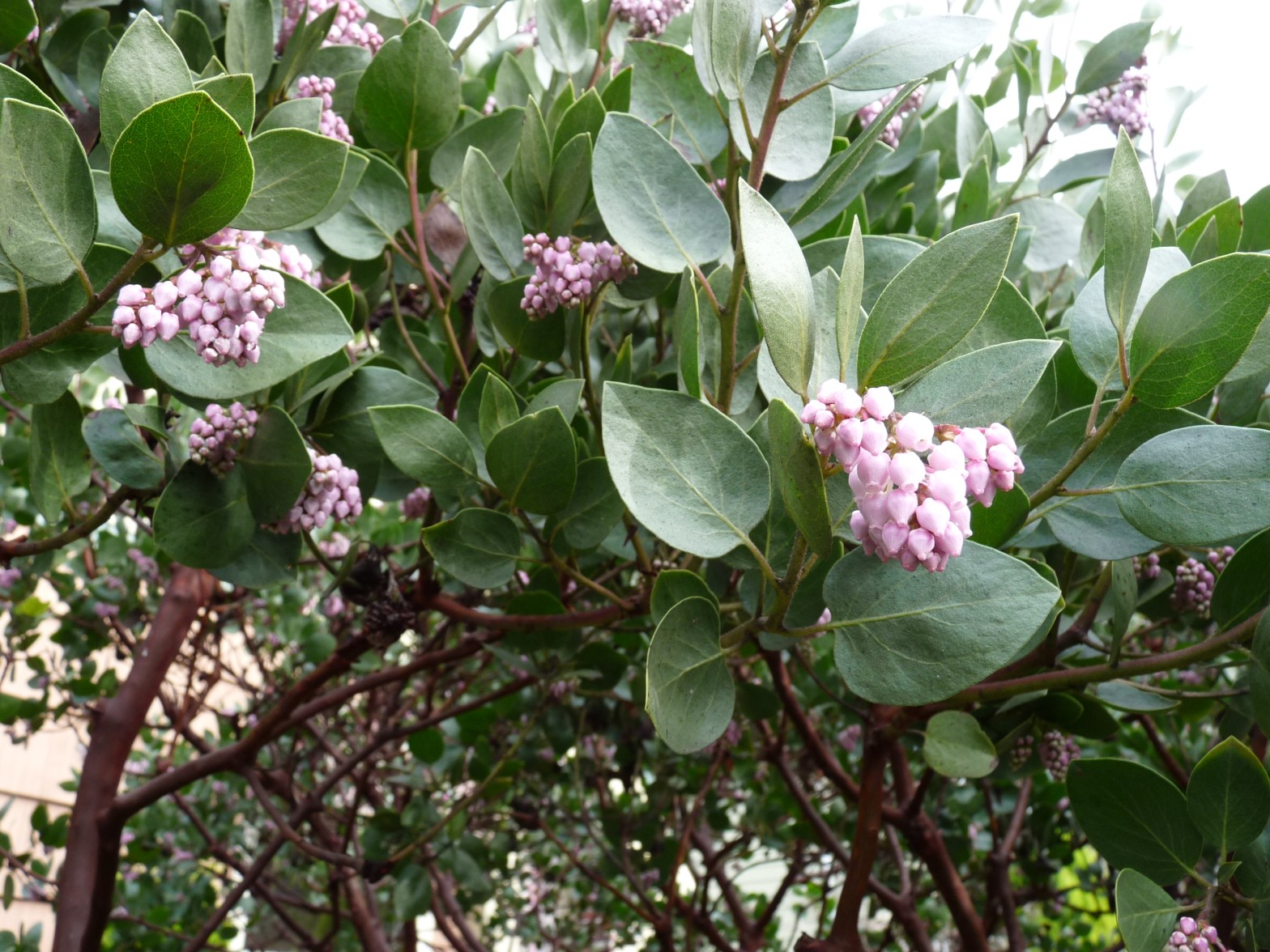
Native plants which are very climate resilient. They evolved here through time. One native plant that I love is manzanita. Site it in a sunny well-drained location and walk away. It is a bee and bird magnet.
 Donna Giguere Landscape Design